
Understanding Your Legal Rights and Responsibilities in Morris County, NJ
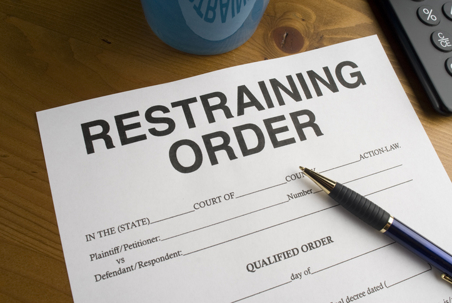
Dealing with a restraining order can be overwhelming. It’s a court order meant to protect someone who feels threatened or endangered. These are serious legal matters and shouldn’t be taken lightly. For Morris County residents, a restraining order can have life-changing consequences, affecting both your reputation and personal freedoms.
That’s why it’s critical to seek the guidance of an experienced criminal defense attorney. At the Law Offices of Joseph S. Scura, based in Morristown, we specialize in helping clients defend against restraining orders and protecting their rights.
Types of Restraining Orders in New Jersey
New Jersey recognizes two primary types of restraining orders, each with unique implications for the accused.
These are:
Temporary Restraining Orders (TROs): A TRO is typically issued on an emergent basis, often without the respondent being present, if the petitioner convinces the court of an immediate threat. This order is meant to provide short-term protection until a further hearing can be held.
Final Restraining Orders (FROs): If the court finds sufficient evidence at the final hearing, a TRO may be converted into a FRO. This type of order imposes long-term restrictions and can have lasting consequences on your record and personal life.
The key difference lies in their duration and the level of evidence required. While a TRO is temporary and issued ex parte, an FRO results from a formal court hearing where both parties present their cases.
Common Reasons Restraining Orders Are Issued
Restraining orders are often filed due to allegations of abusive or threatening behavior. Common reasons include claims of domestic violence, such as physical harm, emotional abuse, or controlling behavior in intimate or family relationships. Harassment, credible threats, stalking, or physical abuse are also common grounds for seeking court protection.
Even if the accusations are false or exaggerated, it’s crucial to take them seriously. Preparing a strong legal defense is essential to address the claims and protect your rights.
Immediate Steps to Take After Being Served
Once you’ve been served with a restraining order, your actions moving forward can significantly impact the eventual outcome of the case.
Follow these steps immediately to protect yourself legally:
Do Not Contact the Petitioner: Even if the allegations seem unfounded, reaching out to the petitioner in any way, including through social media, can be used against you and is a violation of the order.
Review the Order Carefully: Thoroughly examine every restriction and term outlined in the order. This will help you avoid unintentional violations.
Comply Fully with the Terms: Violating the terms of a restraining order can result in criminal charges, worsening the situation.
Gather Relevant Evidence or Documentation: Start collecting any materials that may support your defense, such as text messages, emails, or eyewitness accounts.
By adhering to these steps, you’ll put yourself in a better position to contest the order effectively.
The Legal Process in Morris County
Defending against a restraining order in Morris County requires navigating the family court system. Shortly after a Temporary Restraining Order (TRO) is issued, an initial hearing is scheduled to determine whether the order should become final. The timeline between the issuance of a TRO and the final hearing is often short, leaving limited time to prepare a strong defense.
Family court judges in Morris County handle these cases and evaluate evidence before making a decision. Understanding the court's procedures and expectations is key to building an effective defense and ensuring the best possible outcome.
Why You Need a Defense Attorney
A final restraining order in New Jersey comes with serious consequences, including a permanent record, firearm restrictions, and limits on your movements. A skilled defense attorney can challenge the claims by presenting evidence, cross-examining witnesses, and pointing out inconsistencies.
At the Law Offices of Joseph S. Scura, we have extensive experience representing clients facing restraining orders in Morris County. Our firm takes a strategic approach, tailoring each defense to your unique situation. We are dedicated to protecting your rights, safeguarding your reputation, and making the legal process as smooth as possible.
If you’ve been served with a restraining order in Morris County, don’t wait to seek help. Contact us online or call (973) 832-0841 today to schedule a free consultation!